
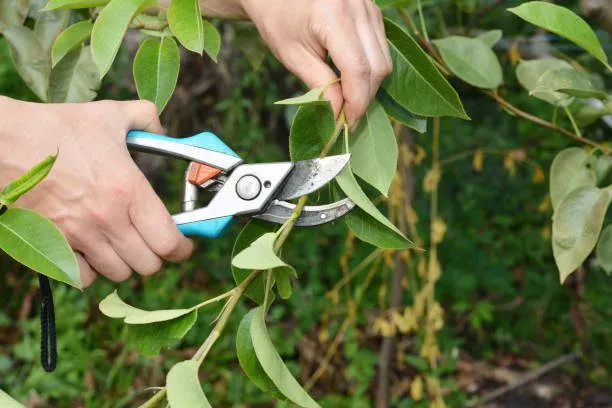
Ever wonder how trimming your pear trees can alter the appearance and feel of your yard? We recognize the value of preserving your outdoor space’s look appeal in addition to its health. Pruning pear trees is an art that increases tree growth, improves fruit production, and ultimately makes your entire yard look more beautiful. It’s more than just maintenance.
Imagine entering your garden and finding lovely pear trees with ornamented branches and a bountiful, nutritious crop of fruit. Wouldn’t it be wonderful to turn your outdoor area into a quaint oasis of productivity and greenery? So stay with us as we go over the advantages, justifications, and techniques for pruning pear trees.
Pruning the trees is a method for protecting and healing the environment.
Tree pruning is important for more reasons than just keeping individual trees looking and feeling good; it also benefits the environment as a whole. This is how pruning trees protects and restores the environment around us. The same usage of the right tree pruning shears is also important to make a good look.
Save the life of trees
Tree pruning shears are used to remove potential pests and pathogen breeding grounds by chopping off dead or diseased branches. This preemptive measure keeps diseases from infecting nearby plants in addition to safeguarding the trimmed tree.
Better airflow
Thinning the tree arms improves airflow, reduces the risk of fungal infection, and supports the best possible respiratory health of the tree and surrounding vegetation. Pruning encourages overall tree health by concentrating nutrients on the strongest branches and reducing limb competition. This guarantees the tree’s strength and resistance to environmental stress.
Enhanced sunlight exposure
Proper pruning opens up the canopy, allowing sunlight to reach lower branches and nearby plants. This exposure to sunlight is critical to photosynthesis, promoting growth and vitality throughout the ecosystem.
Improved water efficiency
Pruning pear trees improves water use efficiency by reducing leaf surface area and reducing water loss through transpiration. This conservation measure is essential in arid regions and during droughts.
Wildlife habitat
Trees that are kept up provide vital habitat and food for a variety of wildlife species, including birds and insects. Logging boosts the region’s overall biodiversity and ecological resilience by protecting these ecosystems.
Reduced risk
During storms or strong winds, removing dead, weakened, or overhanging branches lowers the possibility of both property damage and human injury. This preventative action reduces possible risks while enhancing public safety.
Long-term tree stability
Proper tree pruning equipment usage promotes strong branch architecture and root growth, ensuring tree stability and longevity. This structural integrity helps trees withstand climatic conditions and environmental stress.
Enhancing the garden’s appearance
Streetscapes, parks, and residential areas all look better with well-pruned trees. They raise property values and make nice spaces that advance the welfare of the neighborhood.
Cost savings
Regular pruning reduces the need for emergency tree maintenance and cleanup costs associated with storm damage or tree failure. This cost-effective process saves resources and supports sustainable urban forest management. Also, the usage of tree pruning shears instead of using electrical equipment saves costs.
Always choose the right tree pruning equipment
Selecting the appropriate pruning instruments is essential for properly trimming and tending to your pear trees. Pruning a tree correctly involves high-quality pruning that minimizes damage to the tree while promoting optimal growth.
It is recommended to choose tree pruning shears that fit the size of the branches you are cutting and are comfortable to use. Purchasing a pruning saw designed for thick branches also guarantees that you can easily complete any pruning work, enhancing the general well-being and aesthetic appeal of your pear trees.
Pruning always modifies the look and increase the beauty
Pruning shears is necessary if you want to preserve the overall structure and canopy of your pear trees. To improve airflow and sunlight absorption, focus on pruning any dead, broken, or crossing branches when shaping your tree.
Choosing the correct pruning sealer enhances the tree’s appearance while reducing the risk of disease and promoting a bountiful fruit crop. You can shape your pear trees into beautiful forms that complement your yard’s landscaping by regularly pruning them with the right shears.
Regular pruning of pears has advantages.
Pear trees that are regularly pruned offer many advantages beyond just a beautiful appearance. It promotes fruit production, new growth, and the preservation of the tree’s general health. You can stop the spread of disease and make sure the tree uses its resources wisely by cutting off unhealthy or broken branches.
Furthermore, pruning encourages a robust branch structure, which lowers the possibility of limb breakage during storms or prolific fruiting seasons. A well-pruned pear tree demonstrates the upkeep and attention to detail in your yard.
Keep trees healthy by using the right pruning pear trees technique.
Maintaining the health and outlook appeal of your pear trees requires careful pruning. First, determine which branches are diseased, dead, or overgrown, and remove them with pruning sealer. As a result, the canopy opens, letting air and sunlight into every section of the tree.
To prevent rot and weaken the tree, avoid pruning too close to the trunk or leaving stubs. To encourage quicker healing, instead, make neat cuts just outside the branch collar. To maintain your pear trees in the best possible health and shape, check on them frequently throughout the year and prune them as necessary.
Adding pruned pear trees to your backyard lawn
Pruning your pear trees can greatly improve your yard’s overall appearance. Their well-kept appearance draws attention to them and gives your outdoor space a sense of discipline and elegance. Pruning your pear trees properly with proper tree pruning equipment will ensure that they blend in harmoniously with other plants and structures in your yard. Furthermore, properly pruned trees require less upkeep over time and are easier to manage, so you can enjoy their beauty with little effort.
Conclusion
Pruning pear trees is a good idea. It makes the trees healthier and produces more fruit. It makes your yard look better. You can shape your pear trees into lovely patterns that enhance your outdoor area by using high-quality tree pruning tools and applying the right techniques.
Recall to apply a pruning sealer to safeguard cuts and encourage recovery following cutting. Chopped pear trees thrive and add years of beauty to your yard with consistent care and upkeep. We specialize in enhancing the vitality and beauty of pear trees through our skilled pruning services, making sure they flourish as gorgeous landscape elements. So, do not waste your time, place your order now and give a new, esthetic, and charming look to your home lawn.
Also read:
- What Are Some Eco-Friendly Options for Reusing Tree Trimmings?
- Is Tree Brush Removal Essential for Maintaining a Clean and Safe Yard?
- How Can Removing Tree Limbs Prevent Accidents and Promote Yard Safety?
- What Happens if You Don’t Trim Your Palm Trees?