
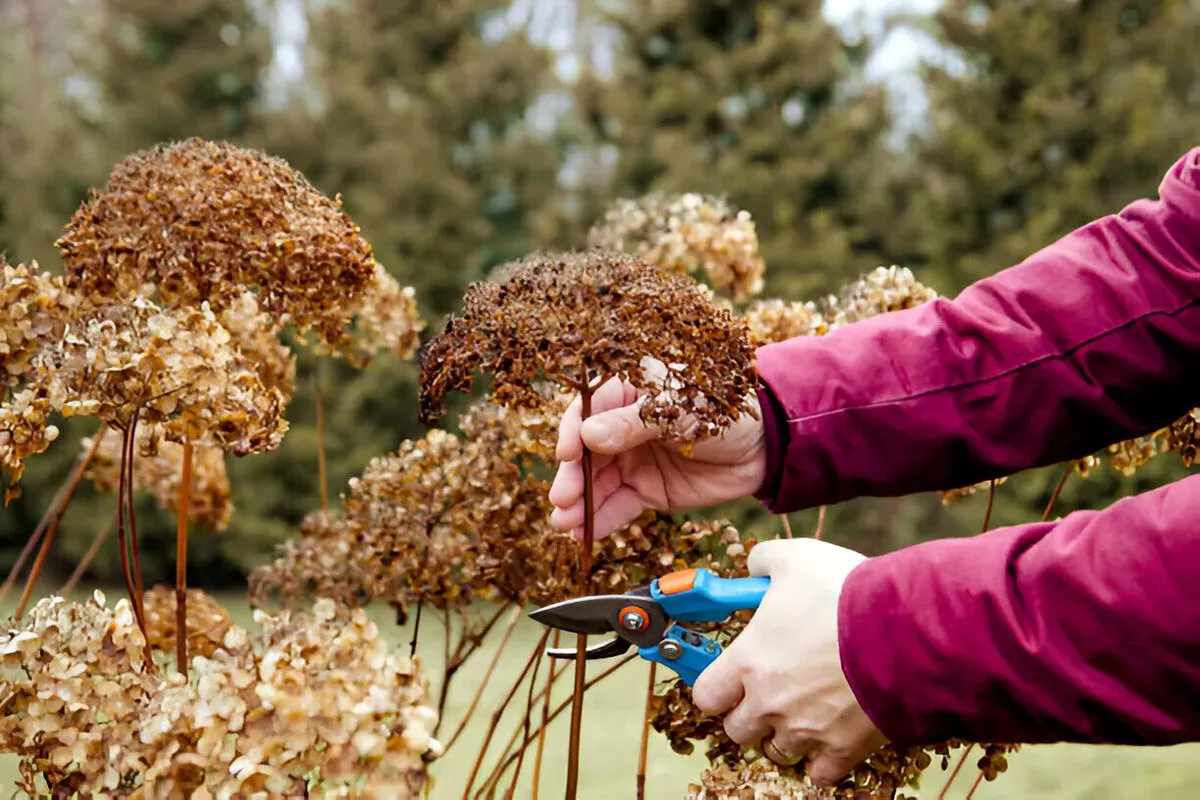
Pruning hydrangea tree matters, it boosts their health, looks, and flower quality. By taking away certain parts, we can stimulate new growth and brighter flowers. Knowing how and when to trim is key to achieving this. This article looks at why it’s good to prune hydrangea trees, the steps to do it, and how it affects flower quality.
Understanding Hydrangea Trees
Hydrangeas charm with big, vibrant blooms in blue, pink, white, and purple. Noted types are the bigleaf Hydrangea macrophylla, the panicle Hydrangea paniculata, and the oakleaf Hydrangea quercifolia. Each type requires distinct trimming. To prune hydrangeas right, you need to grasp their growth ways and flow times.
Benefits of Pruning Hydrangea Tree
Cutting back hydrangea trees has various perks leading to brighter flowers. The advantages are numerous:
- Encouraging New Growth: Cutting a plant encourages it to grow new branches. Healthy growth and more blossoms often sprout from these new branches. When you take away old, dead, or sick wood, the plant uses its power to sprout strong, lively branches. These sprouts may give rise to bigger and more abundant flowers.
- Improving Air Circulation: Tight-packed leaves might block air movement, leading to a moist space that attracts bugs and sickness. Clipping some off makes way for more air to flow, lessening the threat of hurtful fungus and other problems. This better space results in tougher plants and lively blossoms.
- Shaping the Plant: Snipping your hydrangea tree puts you in control of its shape to match your garden style. You might like a neat, globe-shaped growth or prefer a wider, tree-style growth. The right cuts can make this happen. A well-trimmed hydrangea isn’t just good-looking. It also means every part gets light, helping it grow and bloom evenly.
Pruning Techniques for Hydrangea Trees
Getting the most from trimming your hydrangea trees involves using the correct methods. Below are some measures and advice to prune effectively:
- Identify the Type of Hydrangea: Before you begin snipping, find out if your hydrangea flowers have old or new growth. This will determine when and how much you prune.
- Use the Right Tools: Invest in high-quality tree pruning tools such as sharp pruners, loppers, and saws. Before and after use, sanitize your tools to stop disease spread. Choosing the correct tools helps secure clean cuts which heal faster, fostering robust growth.
- Prune at the Right Time: Pruning time matters a lot. For hydrangeas blooming on old wood, trim them right after their flowers blossom. For ones that bloom on new wood, be sure to prune late in the winter or at the dawn of spring before fresh growth shows. Avoid the worst time to prune trees, such as during extreme temperatures or when the plant is actively blooming.
- Remove Dead or Diseased Wood First: Begin by removing all unhealthy, damaged, or sick branches. Not only does this enhance the plant’s health, but it also gives you a clearer view of its complete form and framework.
- Shape the Plant: First, get rid of the bad wood. Then, give the plant good shape. Clip back any crisscrossing or packed branches to free up the middle and help airflow. Chop just beyond a good bud or twig. This will boost new growth where you want it.
Common Mistakes in Pruning Hydrangea Tree
Trimming can greatly help hydrangeas. But the wrong methods might not be very useful. Some often-made mistakes to avoid are:
- Pruning at the Wrong Time: Don’t trim trees during growth or bloom stages. Improper timing for pruning could take away buds, putting next season’s flowers at risk. Before cutting back on your hydrangea, check its bloom schedule.
- Using Dull or Dirty Tools: Bad tree pruning often results from using dull or dirty tools, which can tear or damage the plant. Always use sharp, clean tools to make precise cuts that heal quickly.
- Over-Pruning: Trimming a lot of the hydrangea all at once might overwhelm it, causing fewer flowers. Cut cautiously, taking away just a third of the plant at a time.
- Ignoring Plant Health: Not taking out rotten or sick wood can hurt the whole plant. Always look at your hydrangea for disease or damage signs and deal with these issues quickly.
Enhancing Bloom Quality Through Pruning
Trimming hydrangea trees is not solely for upkeep and vitality, it greatly boosts bloom vibrancy. See how the right cuts can yield more lively flowers:
- Promoting Larger Blooms: Pruning gets rid of unneeded stems, helping the plant focus on growing bigger, stronger blooms. Making space by removing crowded branches lets each bloom get more light and air, enhancing their size and color.
- Extending Bloom Period: Consistent trimming promotes the creation of extra floral sprouts, extending the bloom duration. With hydrangeas blooming from new growth, thoughtful trimming can induce several rounds of flowers during the plant’s growth phase.
Are Your Hydrangea Blooms Not as Vibrant as They Could Be?
Transform your garden into a blooming paradise with our expert Tree Trimming and Pruning Services. Pruning hydrangea tree is key to unlocking their full potential, ensuring lush, vibrant blooms that stand out in any landscape. With the right techniques and timing, our professional team will help your hydrangeas flourish by promoting healthy growth, improving air circulation, and enhancing flower quality.
Are you ready to see your hydrangeas at their best?
Conclusion
Pruning hydrangea tree is a key for those anxious about boosting their plant’s health and appearance. Knowing your hydrangea’s particular needs and applying suitable tactics can spur fresh growth, refine plant shape, improve airflow, and discard the bad wood. Steering clear of typical errors like pruning at unsuitable times or using inadequate tools guarantees that your hard work leads to robust plants and bright blossoms. With diligent and routine trimming, your hydrangea trees can prosper, offering eye-catching flowers year in and year out.